
Travel has the power to transform us, but it can also transform the places we visit, for better or worse. That’s the heart of conscious travel: making mindful choices that are good for the destination, the people who live there and the planet, all while preserving the joy of the journey.
Disclosure: Travels with Baggage sometimes receives compensation and/or hosted travel and sample products related to blog posts. This story may include affiliate links for which we receive a small commission at no extra cost to consumers.
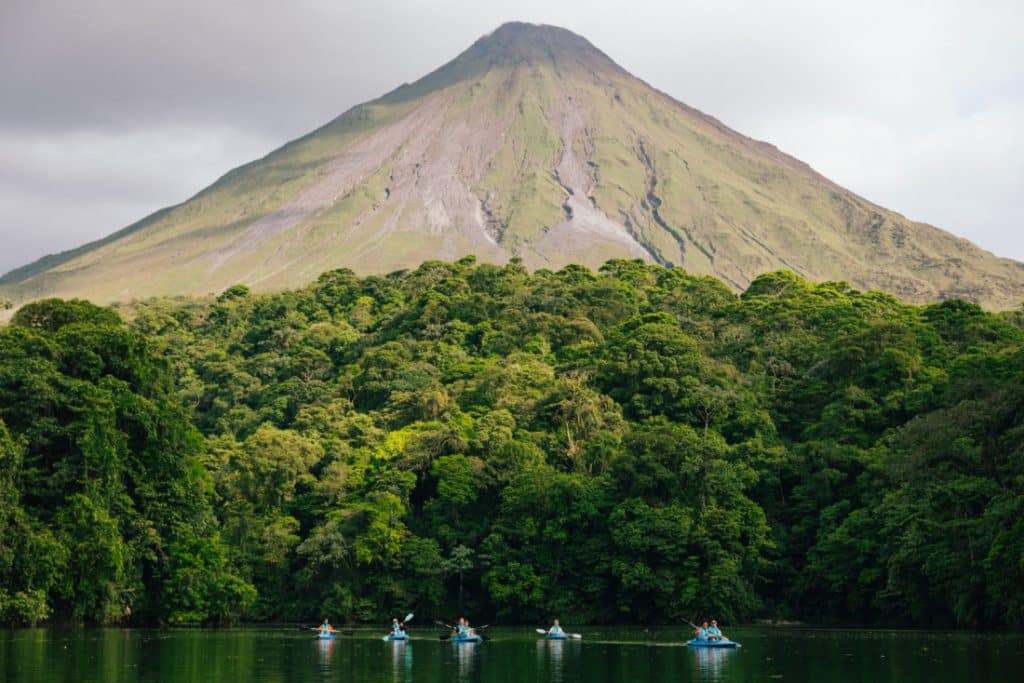
The good news? Some of the world’s most extraordinary destinations are already leading the way. From Costa Rica’s rainforests to British Columbia’s wine country to the glaciers of the Canadian Rockies, here’s how to travel with intention and have an incredible time doing it.
Table of Contents
Conscious Travel
Conscious travel isn’t about giving things up. It’s about paying attention. It means choosing destinations and experiences that prioritize conservation, support local communities and minimize environmental impact, while still delivering the kind of trip that stays with you long after you’re home.
Whether it’s timing your visit to spread tourism dollars through the shoulder season, moving through a destination under your own power or spending your money at businesses that give back, small decisions add up to a meaningful difference.
The best part is that conscious travel almost always makes for a richer experience. Slowing down, connecting with local culture and spending time in protected natural spaces are what we travellers remember the most after our trips. So while being mindful of your footprint is the right thing to do, it’s also the more rewarding way to travel.
Here are a few of my favourite destinations that make you glad you visited.
Costa Rica
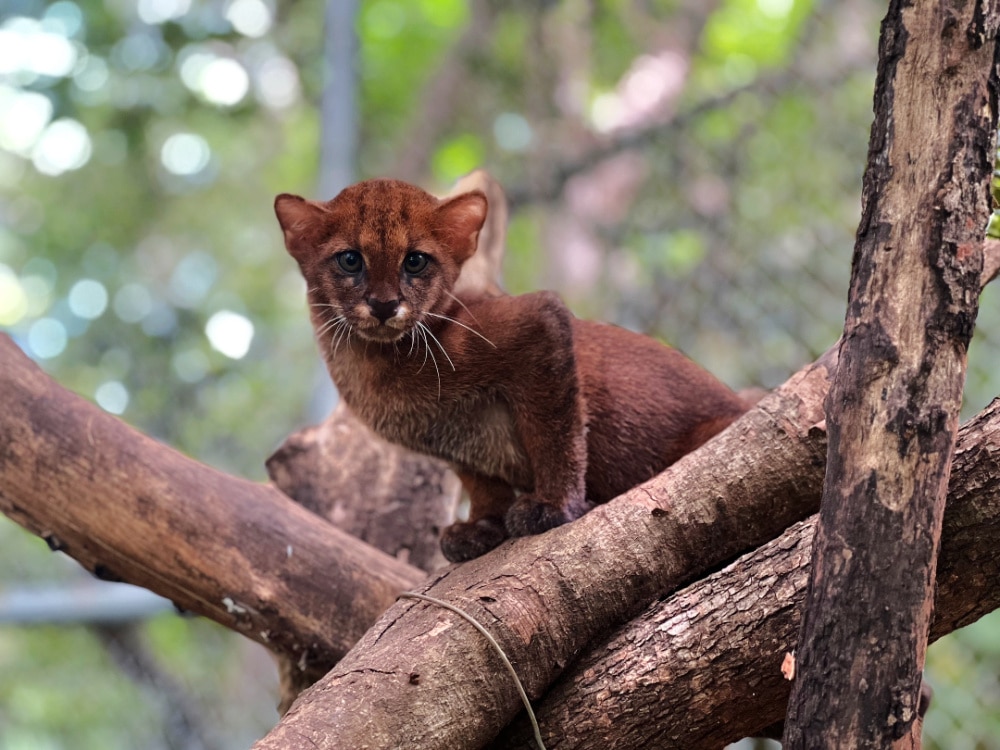
Costa Rica is one of the world’s leading examples of conservation and sustainable tourism. Despite being a small country, it’s home to about 6% of the world’s biodiversity. More than a quarter of the country is protected land, as is over 30% of its marine territory. Sustainability is really part of everyday life there.
Tourism helps fund conservation and local communities
One of the most interesting things about Costa Rica is that tourism helps fund national parks, wildlife rescue centres, marine conservation and local communities. When tourists visit, you can feel good that your tourism dollars are helping protect rainforest, wildlife and communities.
Green Season is one of the best times to visit
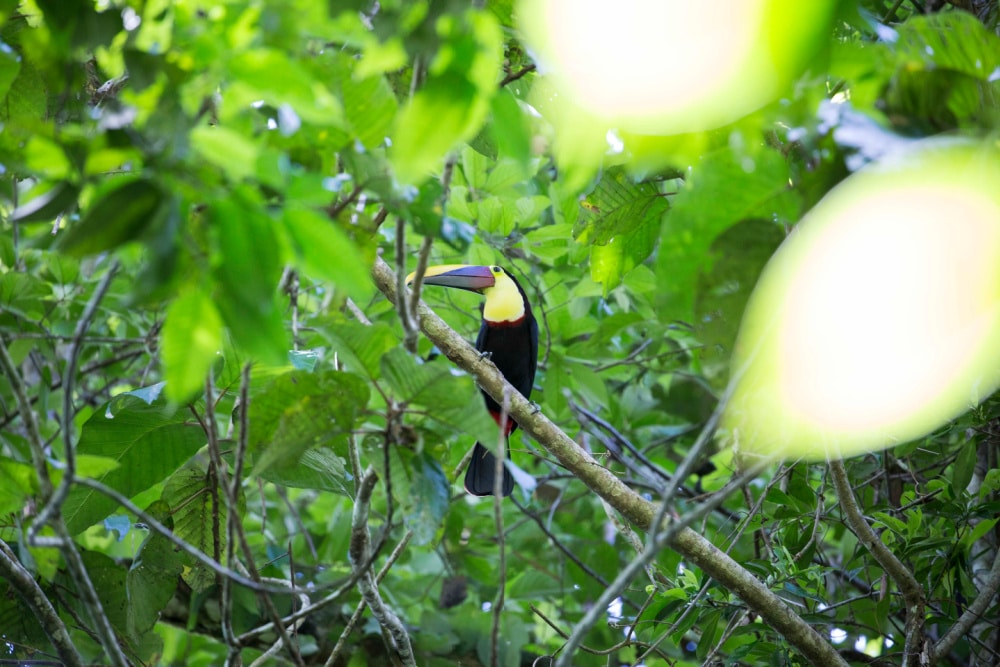
Costa Rica’s green season runs from May to November, and it’s one of the best times of year to visit. This is when Costa Rica is at its most beautiful. Everything is lush and green, waterfalls are full, wildlife is active and there’s fewer crowds.
During Green Season, it usually rains for a short period in the afternoon, but mornings are often sunny. Visiting during this time of the year is a better eco decision because it spreads tourism dollars throughout the year.

The Pura Vida lifestyle
You’ll hear the phrase “Pura Vida” everywhere in Costa Rica. It means “pure life.” The country fosters a culture committed to an intentional way of life. That means: relaxed, outdoors, nature-focused, friendly and enjoying the moment. Most visitors say that’s what they love most about Costa Rica. They love how they feel when they’re there.
Outdoor adventure and nature immersion in Costa Ra
Costa Rica is a great destination for outdoor adventure and nature experiences. Many of the activities tourists will want to do are built around nature.
Some of my favourite adventures when I visit Costa Rica include: ziplining through the rainforest, surfing, hiking near volcanoes, wildlife watching, rafting, snorkelling and exploring its national parks.

Home to one of the world’s rare Blue Zones
Costa Rica is also home to one of the world’s five Blue Zones, located on the Nicoya Peninsula. Blue Zones are regions where people regularly live into their 90s and 100s in good health.
Costa Rica’s life expectancy is high thanks to its lifestyle. Community connections are strong, daily movement is prioritized as is fresh local food. Most Cost Rican’s live with a sense of purpose, which really ties back to the Pura Vida way of life and the country’s overall focus on wellbeing.
Direct flights Calgary to Costa Rica
WestJet operates direct flights to Costa Rica year-round from Calgary, while Air Canada offers seasonal services from December to April.
Penticton
Set between two sparkling lakes in the heart of the Okanagan Valley, Penticton offers a refreshing take on sustainable travel. Here, it’s all about slowing down and leaving the car behind becomes part of the experience.
While you may need to drive or fly to get here, once you arrive, getting around can be almost entirely fuel-free. Thanks to Penticton’s compact layout, it’s easy to explore on foot, by bike, or even by paddle.
Penticton is just seven kilometres from north to south or about a 20-minute bike ride alongside the Penticton channel from one lake to the other.
This accessibility invites visitors to embrace a more mindful pace. You can easily stroll from your accommodations to the beach, cycle between wineries and breweries or start your morning with a lakeside walk.
In my experience, the simple act of moving under your own power adds a layer of connection to the landscape. The rolling hills and rippling water invite us to pause, take in the views and fully experience the rhythm of the region. It’s a style of travel that benefits both personal wellbeing and the environment.
Biking Penticton
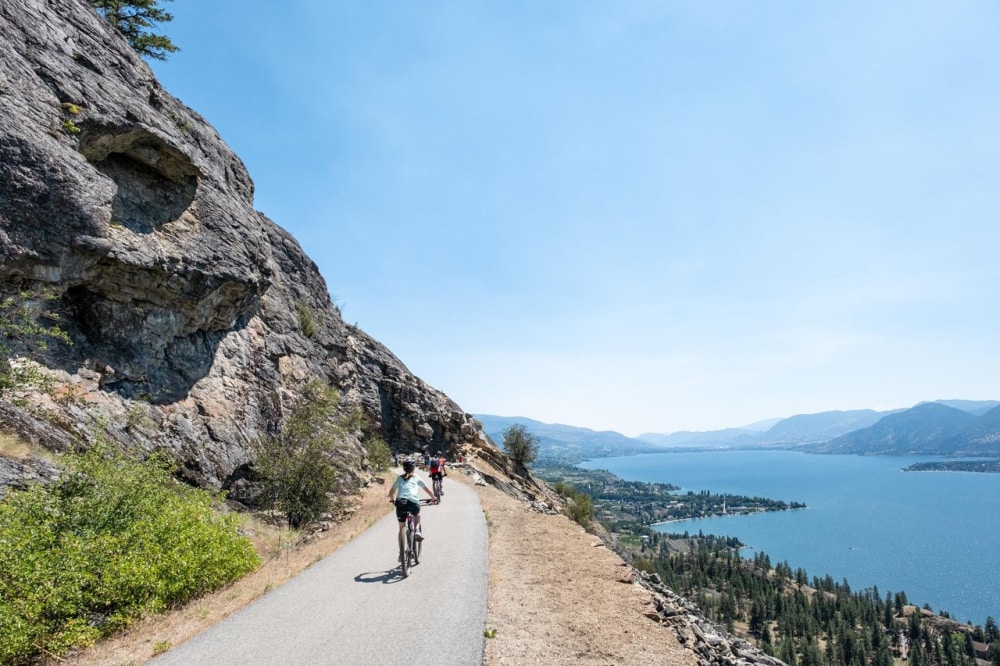
For those who prefer two wheels, Penticton is surrounded by a network of responsibly maintained road cycling routes and scenic trails. Chief among them is the iconic Kettle Valley Rail (KVR) Trail, a former railway line transformed into a multi-use path.
The stretch from downtown Penticton to nearby Naramata is particularly stunning, winding along the eastern ridge above Okanagan Lake. As you ride, you’ll pass vineyards, orchards, and panoramic viewpoints that, I think, spontaneous stops including two incredible tunnels: Little Tunnel and Adra Tunnel.
No day of exploring is complete without a few well-earned breaks. If you’re walking on the KVR Trail, it’s only a 5-minute walk from the start of the trail in town to Evolve Sparkling House.
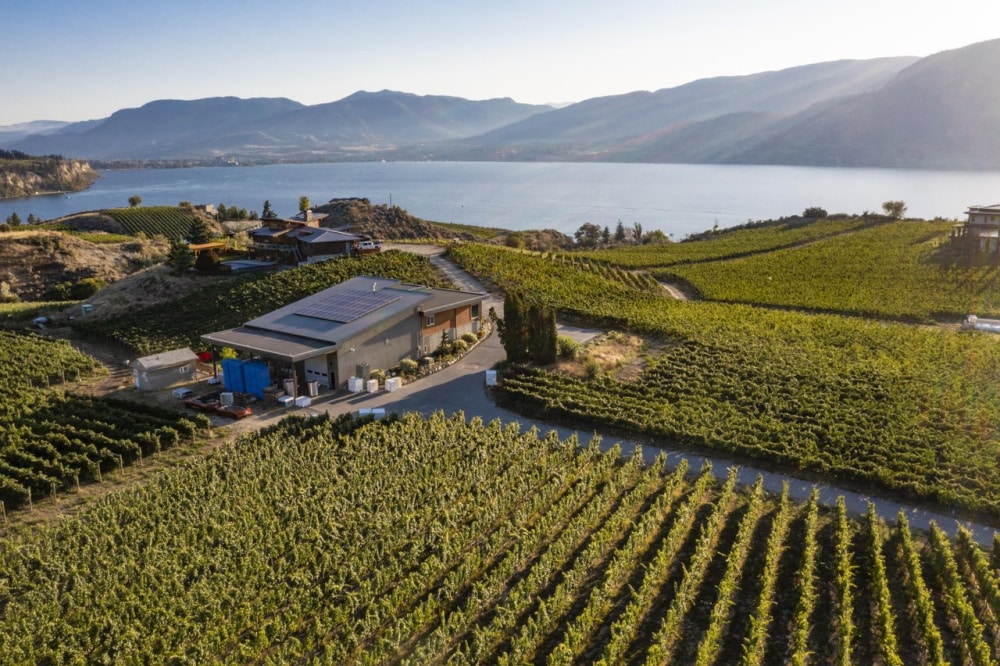
Along your route, you can stop for a tasting at Tightrope Winery, a little ways off the KVR Trail, it’s recognized as the first certified member of Sustainable Winegrowing BC. Here, thoughtful vineyard practices translate into expressive wines that reflect the land they come from.
If a cold pint is calling, head to Tin Whistle Brewing, proudly known as British Columbia’s first carbon-neutral brewery, located right off the lake-to-lake bike route. It’s the perfect place to relax and toast to a day well spent.
Penticton lakes
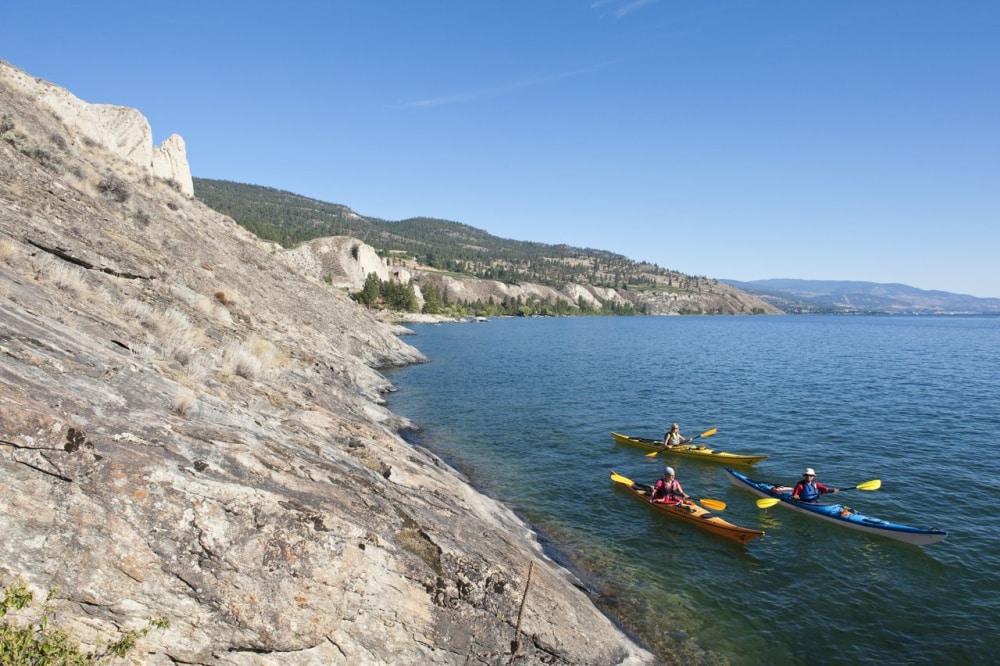
Water lovers will find just as many opportunities to explore without emissions. Flanked by Okanagan Lake to the north and Skaha Lake to the south, Penticton is uniquely positioned for paddle-powered adventure,
Glide through quiet coves by kayak or stand-up paddleboard, cool off with a refreshing swim, or enjoy an exhilarating kitesurfing session.
Eating local in Penticton
Back on land, Penticton’s culinary scene continues the theme of sustainability. Many local restaurants showcase seasonal ingredients sourced from nearby farms, orchards and producers, offering menus that reflect the flavours of the region. Whether it’s a casual patio lunch or a more refined dining experience, it’s easy to savour dishes that are both fresh and thoughtfully prepared.

In Penticton, sustainable travel isn’t about sacrifice. It’s about rediscovery and experiencing more. By trading in gas pedals for bike pedals and scenic drives for lakeside strolls, visitors can experience a deeper, more connected way to explore, all while treading a little lighter on the planet.
When everything is within reach, slowing down becomes the highlight, and the close proximity to everything gives you more time to connect and enjoy.
Direct flights Calgary to Penticton
WestJet offers direct flights from Calgary to Penticton year-round, and is launching a new, direct summer flight service between Vancouver and Penticton on May 15.
Columbia Icefield
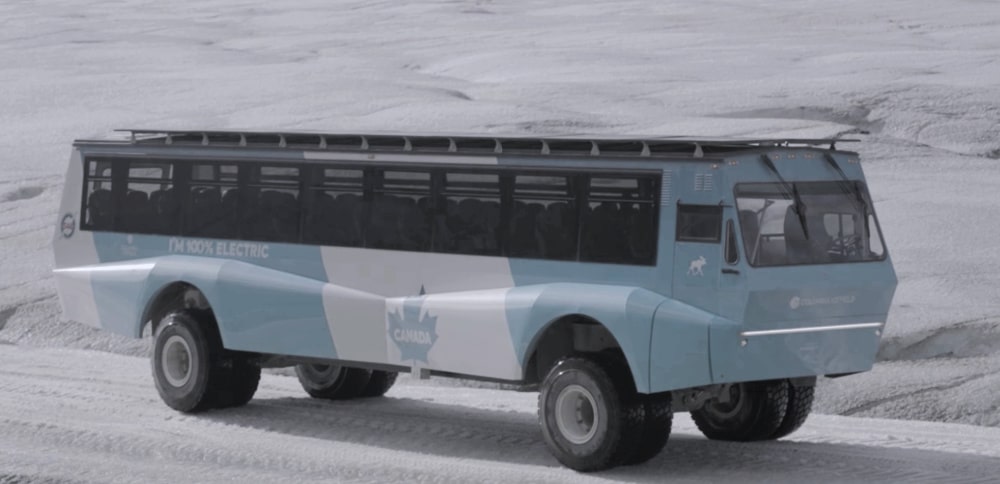
Innovation, sustainability and education is being brought together at one of the most iconic landscapes in the Canadian Rockies. Pursuit is introducing the first known electrified Ice Explorer at the Columbia Icefield.

Designed for glacier tourism, Electric Ice Explorer is a pilot project within the Columbia Icefield Adventure fleet. This Electric Ice Explorer will be part of the Icefield’s existing fleet, not a separately booked experience.
If you’ve never been, it’s worth exploring the Icefield’s Parkway to witness firsthand the Columbia Icefield’s role in helping visitors understand glaciers, freshwater systems and responsible access to sensitive natural places.
Why it matters
The Columbia Icefield is more than a bucket-list destination. It’s a place where visitors can better understand glacier science, climate change and the role the icefield plays as a freshwater source for communities and ecosystems across Western Canada.
Why go electric?
The Electric Ice Explorer is being introduced to test lower-impact operations in a real alpine environment. It’s one part of a broader effort at the Columbia Icefield that includes fleet upgrades, lower-impact energy systems, wastewater treatment, recycling and ongoing environmental oversight in partnership with Parks Canada and others.
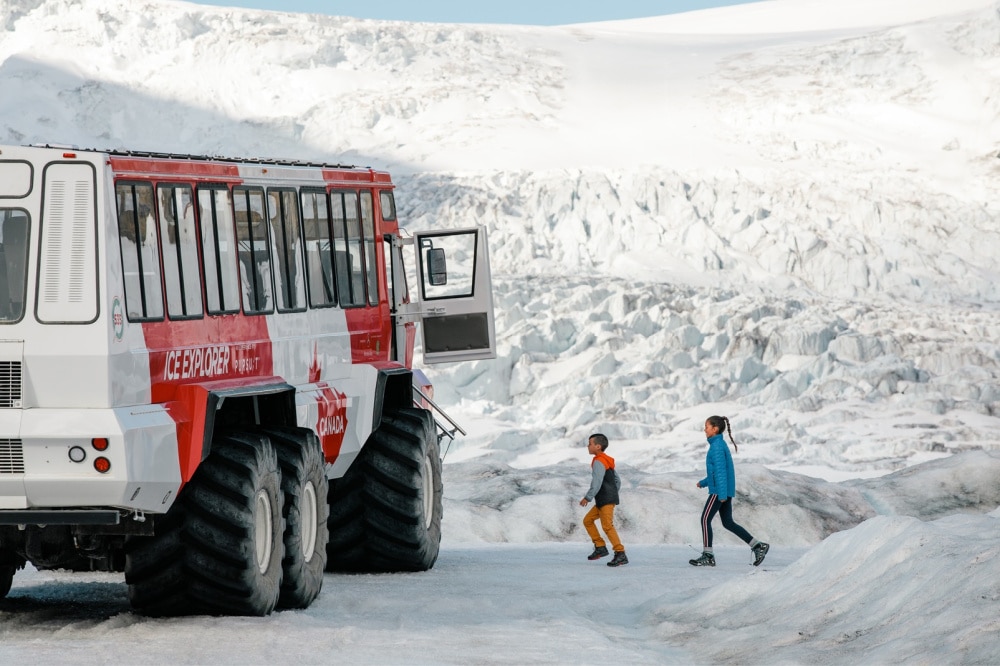
The new Electric Ice Explorer will join the regular fleet at Columbia Icefield. Credit: Pursuit Banff Jasper Collection.
Firsthand experiences
Standing on a glacier helps visitors understand the scale, significance and fragility of these landscapes in a way that’s hard to replicate from a distance.
That sense of connection is what makes the experience memorable and why education remains such an important part of the visit. People don’t protect what they don’t understand and this landscape very much needs our protection and environmental stewardship.
Guest experiences at the Columbia Icefield
There are plenty of fantastic experiences at the Columbia Icefield that suit all ages and accessibility needs.
Columbia Icefield Adventure: Provides guided access onto the Athabasca Glacier aboard an Ice Explorer. The new EV will operate within this fleet, but it’s not a separately bookable or guaranteed vehicle experience.
Ice Odyssey: This is a premium, bespoke small-group glacier experience designed for deeper exploration and storytelling.
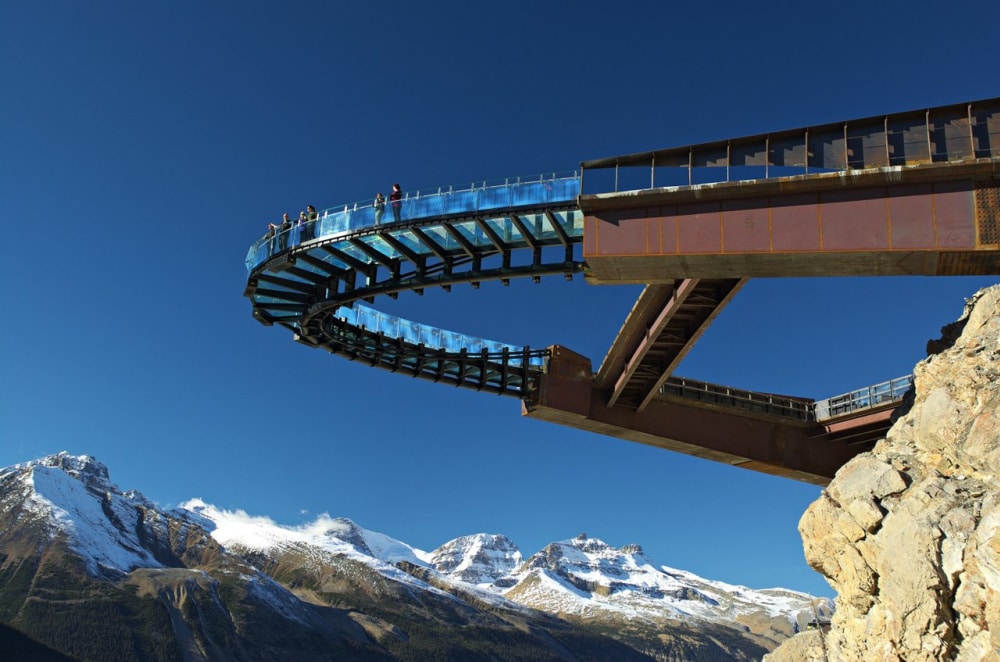
Glacier Skywalk: This suspended glass-bottomed walkway overlooking the Sunwapta Valley is so much fun and begs to be shared on your social media feed.
Guardians of the Ice exhibit: Located at the Columbia Icefield Discovery Centre, this exhibit expands the story beyond the glacier itself with added context on ice, water and stewardship.
We’d love to hear from you! Do you prioritize what’s best for the environment on your travels. Please let us know how in the comment section below.